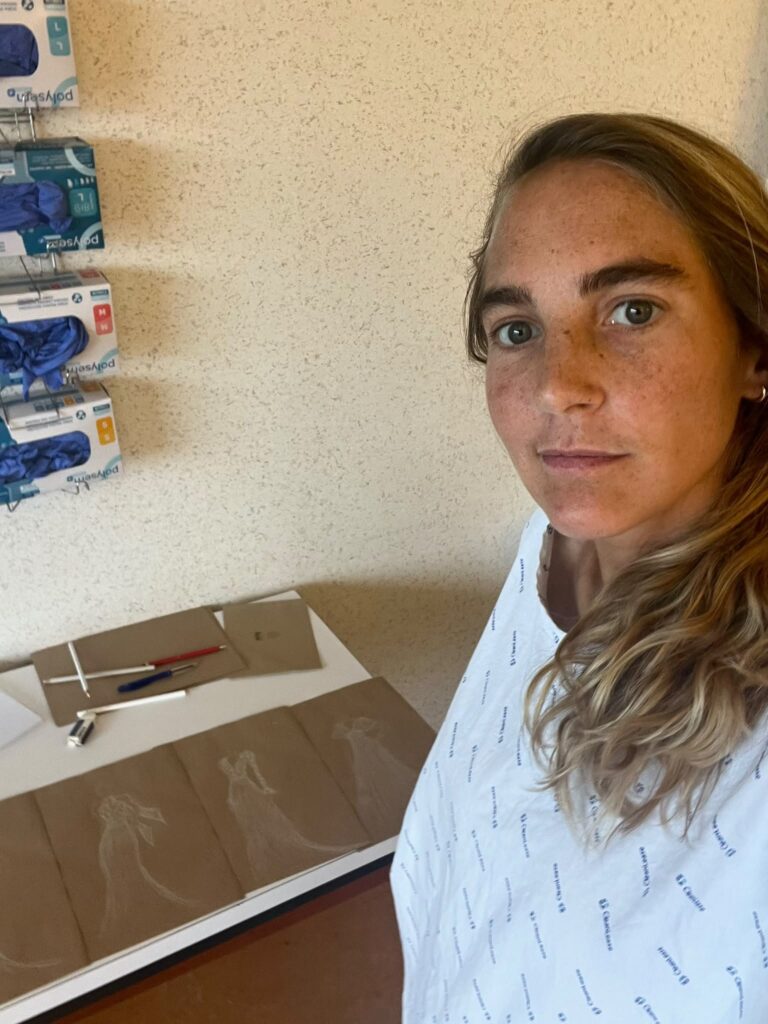
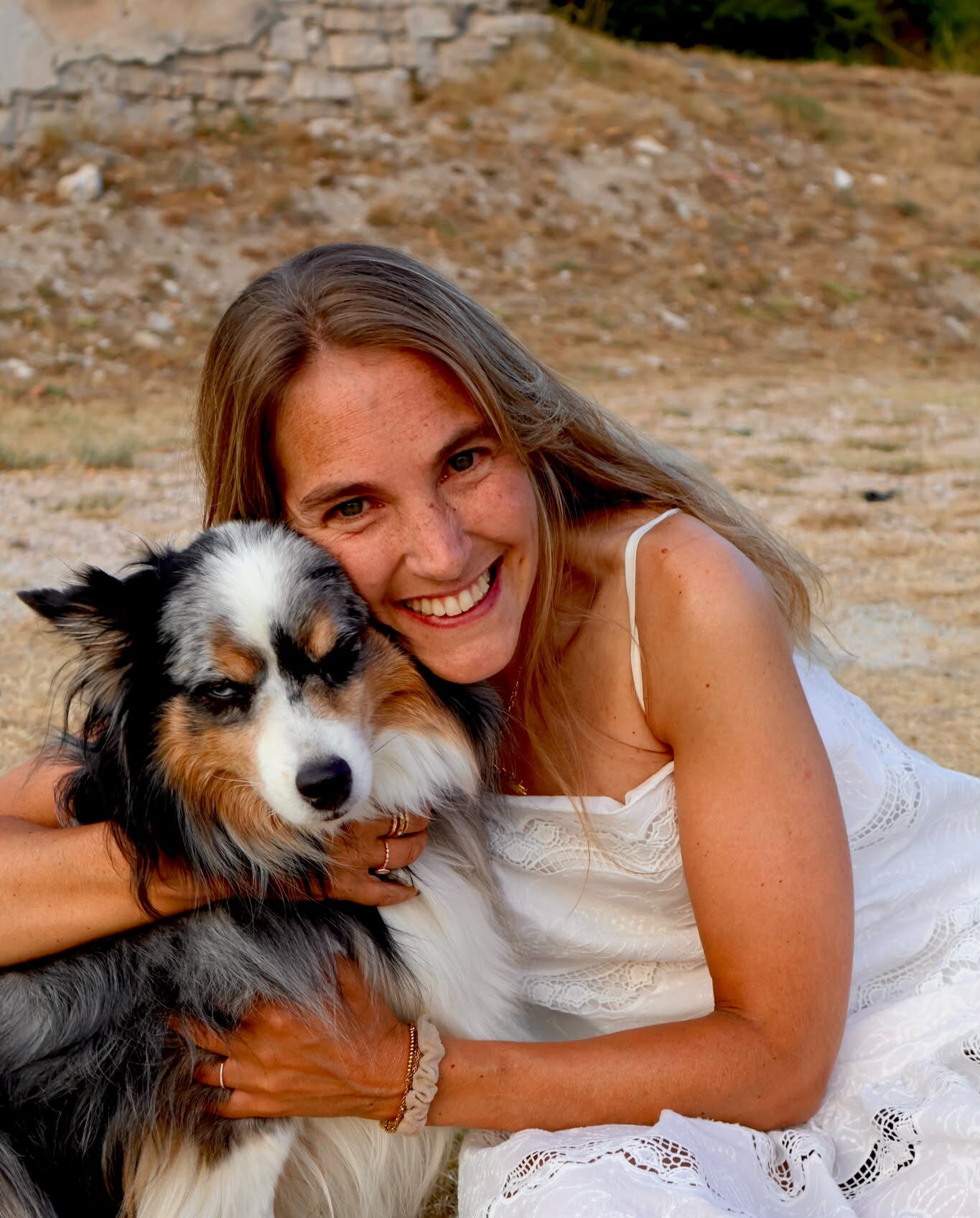
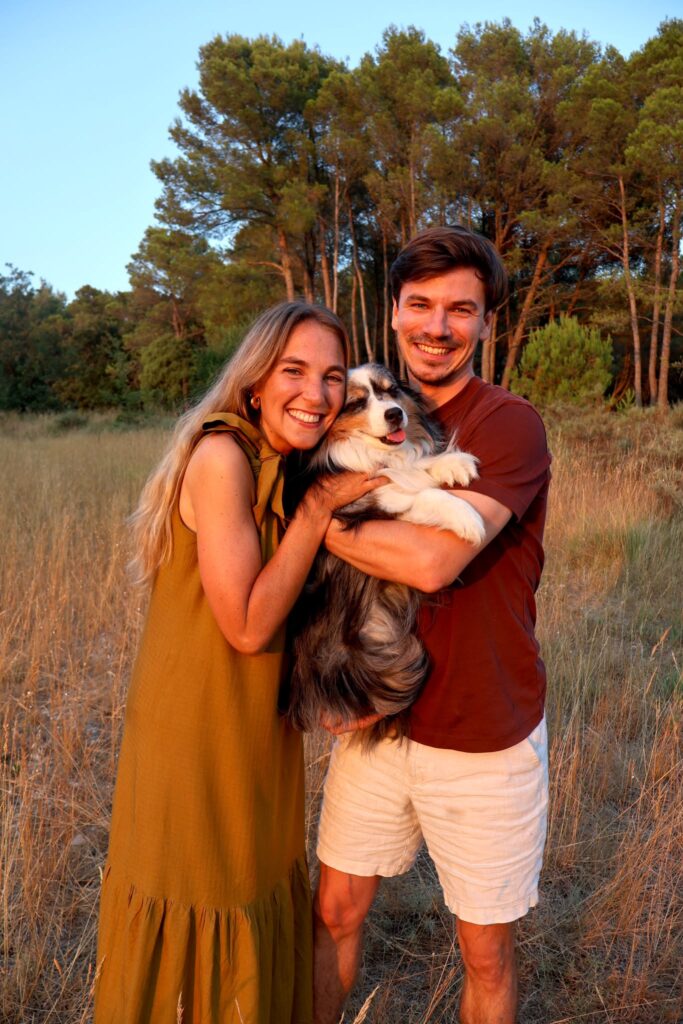
At 34, Florence has a head full of plans, passions and dreams. She works in finance, designs wedding dresses as a self-employed side business, and has been sharing her life with her husband Nicolas for almost 13 years. She would also love to start a family. But behind this busy, fulfilling life lies an extremely rare genetic condition that continues to raise many questions, for both doctors and Florence herself.
Florence has a complex immune deficiency. Her immune system does not function properly, and infections have been a recurring part of her life since childhood. At the age of 10, she was hospitalised with severe pneumonia, complicated by a Staphylococcus aureus infection. Bronchitis and pneumonia continued to occur repeatedly for years, without doctors really understanding why.
It was only when she was around 20 that a doctor finally identified her immune deficiency and started the first treatments. By then, the condition had already caused significant damage to her lungs, liver and intestines. Even today, Florence needs several respiratory physiotherapy sessions every week, as well as very regular medical monitoring.
A rare condition, still full of unknowns
Yet her condition remains largely unknown. It is linked to an extremely rare genetic mutation that is not present in either of her parents or in any of her three siblings. A few similar cases have been identified around the world, but there are too few of them for doctors to have enough data to fully understand the condition.
And this lack of knowledge also weighs on her plans for the future.
Florence and her husband would love to have a child. But pregnancy could be dangerous for her, notably because of the risk of bone marrow aplasia. Her bone marrow already produces insufficient platelets, white blood cells and red blood cells, and doctors simply do not have enough experience or data to know how her body would respond to pregnancy. There is also the question of the risk of passing the mutation on to her child.
Her husband, who has supported her since she was 21, and her family are always there for her. They have learned to live with this uncertainty, including during the sometimes very frightening pulmonary crises, when Florence can cough up significant amounts of blood.
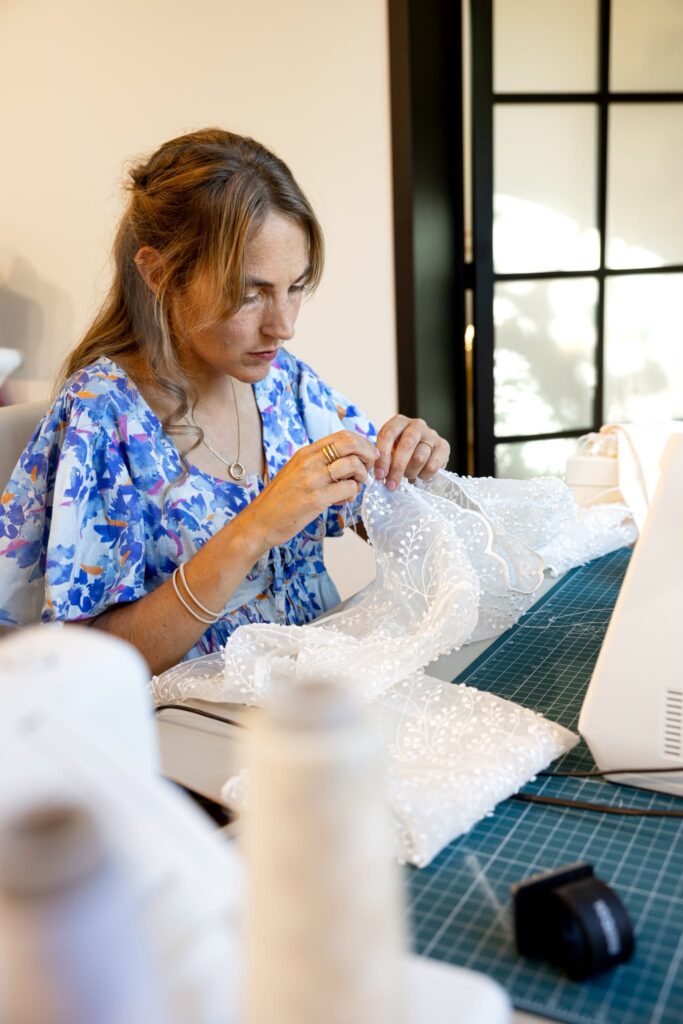
And yet, Florence refuses to let the disease take over her life.
She has worked in finance for more than ten years, although her health has gradually forced her to adapt her pace. Above all, she has developed an activity that truly reflects who she is: designing wedding dresses. She has always loved sewing. One day, her cousin asked her to make her wedding dress. Since then, she has continued to create unique pieces, with passion.
Today, the only theoretical possibility of replacing her defective immune system would be a bone marrow transplant. But no compatible donor has yet been found. And even a transplant would not be able to reverse the damage already caused to her organs…
Above all, Florence hopes that research will move forward.
Because for her, the main obstacle is very tangible: a lack of resources. When a genetic mutation is extremely rare, research is highly specialised, complex and costly. And with thousands of different genetic diseases, it is difficult to mobilise the funding needed for each one.
“Researchers really need to be given the resources to understand these diseases. Genetics is the starting point. If we don’t understand what is happening, how can we hope to find a treatment?”
That is precisely the mission of GENeHOPE: to support research projects that help us better understand genetic diseases, improve their diagnosis and, ultimately, pave the way for new therapeutic approaches.
For patients like Florence, every scientific breakthrough can open up a possibility where none existed before.
Support GENeHOPE and help us turn hope into genetic breakthroughs.