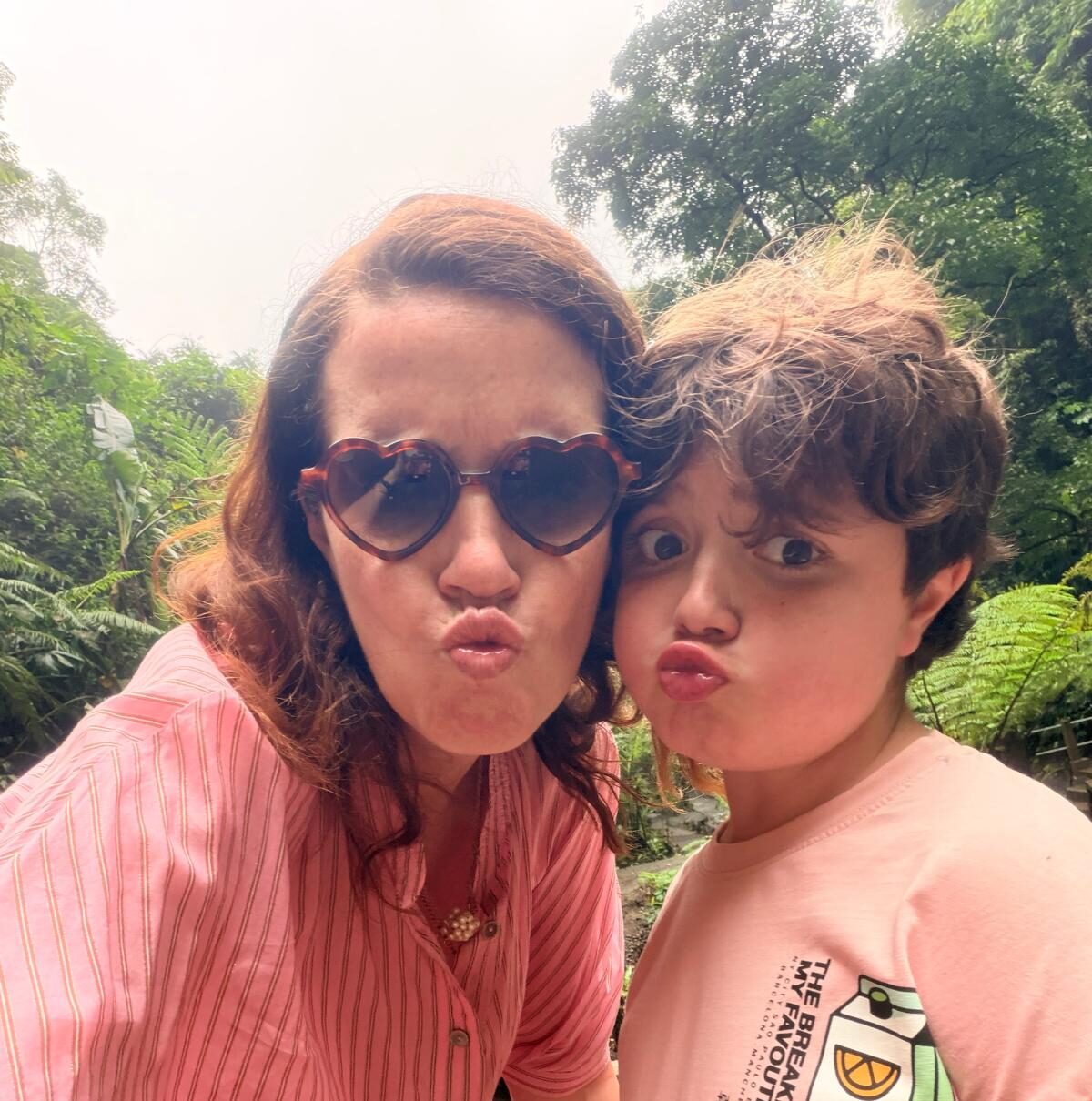
Twelve-year-old Guillaume is living with Duchenne muscular dystrophy, a genetic condition that progressively affects the muscles. Ever since the diagnosis, his mother Caroline has been tirelessly seeking to understand the disease and find the best ways to support her son. Now, as he enters a new stage of the condition, she shares their daily reality, their struggles and their hopes for further scientific breakthroughs.
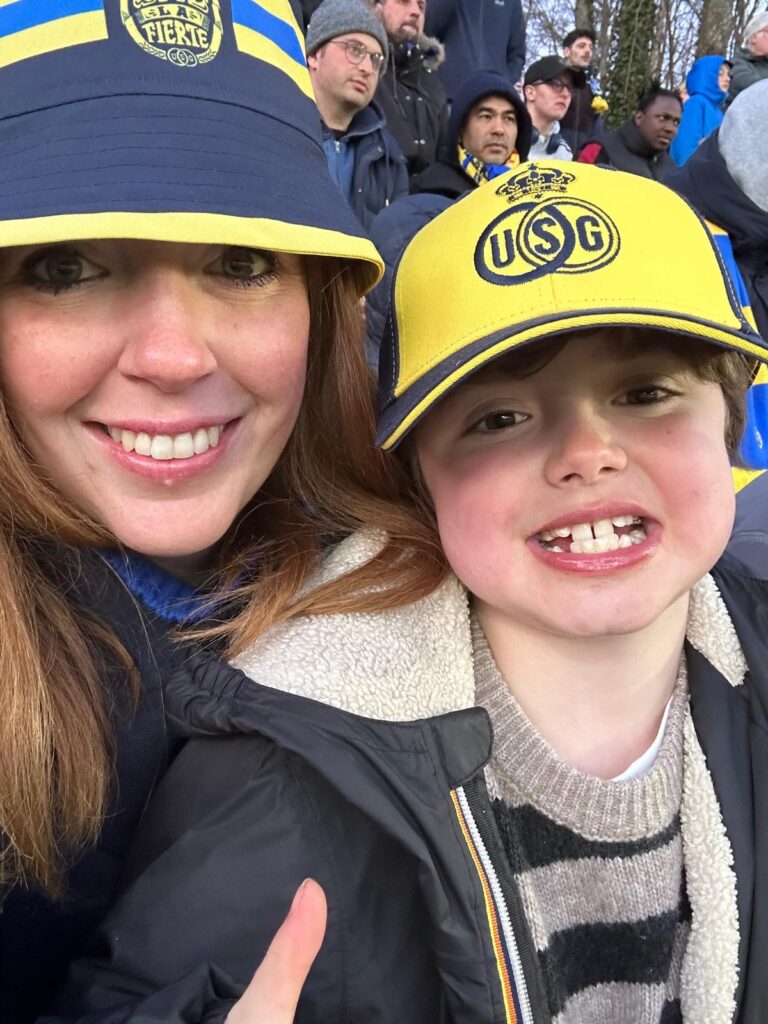
When Guillaume was born in 2014, nothing suggested what lay ahead for his family. Yet Caroline’s pregnancy had been particularly difficult. After contracting cytomegalovirus (CMV), she spent several months living with uncertainty. “I held on to the thought that this baby could very well be perfectly healthy. I couldn’t bring myself to terminate a pregnancy when we didn’t know what lay ahead.” In the end, Guillaume was born seemingly in perfect health. The relief was immense.
A few months later, however, that sense of relief was shattered. Following elevated liver enzyme levels, further tests were carried out at the hospital. While the initial genetic test revealed nothing, a muscle biopsy confirmed the doctors’ suspicions. The diagnosis was devastating: Guillaume had Duchenne muscular dystrophy. “It came as a real shock. Guillaume was right there, on all fours in the doctor’s office. He was just beginning to explore the world, like any other baby. And we were being told that he would gradually lose his physical abilities, that he would probably end up in a wheelchair and that his life expectancy would be limited. We didn’t really understand what was happening to us.”
Genetic testing also confirmed that Caroline was a carrier of the genetic mutation, although she herself had no symptoms. This raised many questions, particularly concerning her eldest son. At the time, however, doctors refused to test a minor with no symptoms for a disease for which there was no curative treatment. “I asked them: so what, do we have to wait until he becomes ill before we can find out? That was very difficult to hear.”
Understanding, searching and holding on
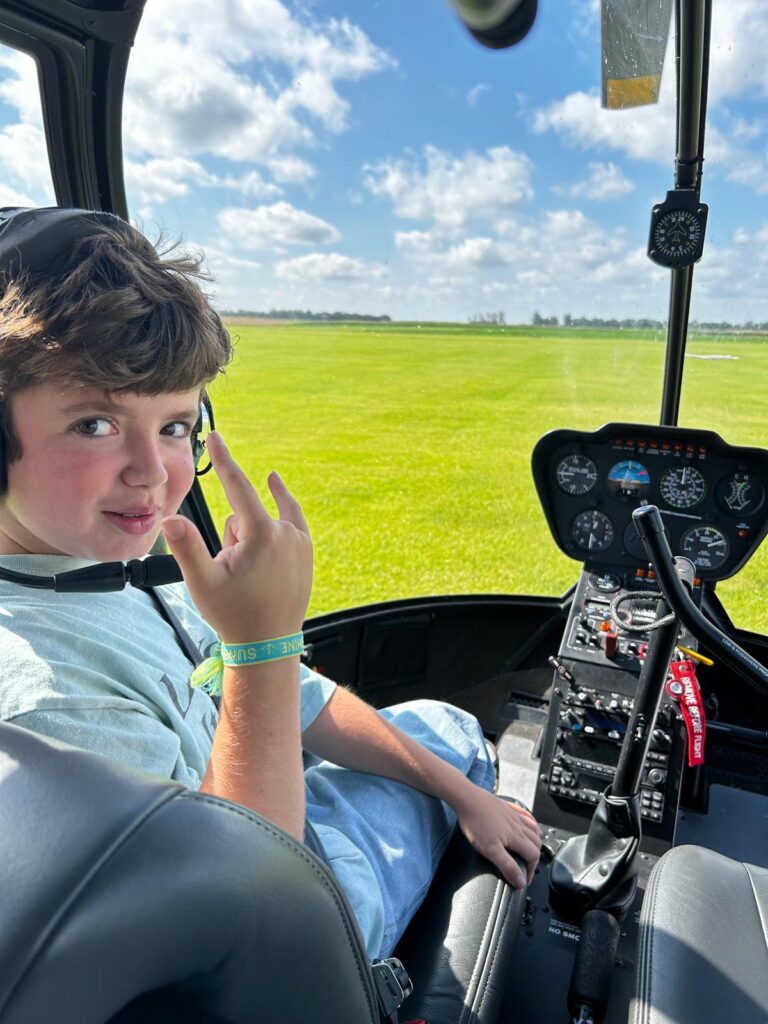
Faced with the diagnosis, Caroline felt an almost overwhelming need to understand the disease. She spent hours reading, searching for scientific publications and contacting specialists. “I felt a little abandoned after the diagnosis. I had questions, but I didn’t always get answers. So I decided to find out as much as I could for myself. I wanted to believe there was a solution.”
After a great deal of effort, the family eventually found specialised care at Leuven University Hospital, under Professor Goemans. There, they received more detailed explanations about the disease, its progression and the treatments available. Guillaume started taking corticosteroids at the age of two to slow the loss of muscle function. Without dystrophin, a protein essential to normal muscle function, muscles gradually weaken and lose their ability to regenerate properly. Treatments can slow this progression, but there is currently no cure. They also come with significant side effects.
At the time, doctors told Caroline that Guillaume could gradually lose his mobility from the age of seven and might need an electric wheelchair by the age of twelve. But Guillaume has partly defied those predictions. He can still walk today, although his abilities are becoming increasingly limited. “Until he was five or six, I honestly didn’t see any major difference between him and his brother. He started walking at the same age and developed just like other children. Today, he can still manage short distances, but he no longer has much independent walking ability. Climbing stairs has become extremely difficult, and he can no longer jump.”
There is still a Yoyo stroller in the boot of the family car. It has travelled around the world and now carries Guillaume’s 40 kilos! He categorically refuses to use a wheelchair, however. He doesn’t want anything that makes him feel different from other children.
When disability comes on top of the disease
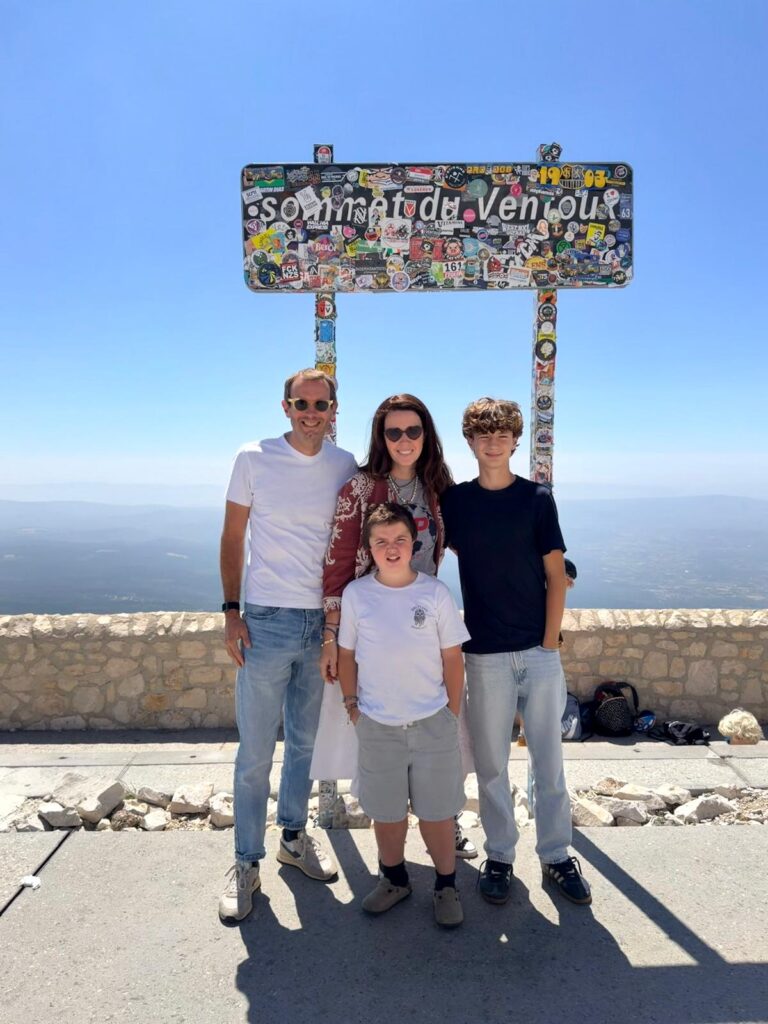
At twelve, Guillaume is reaching a turning point. For the first time, Caroline feels that the disease is no longer just a diagnosis and a matter of medical follow-up: it is also becoming an increasingly visible disability that profoundly affects their daily lives. Alongside the gradual loss of his motor skills, Guillaume is also experiencing the side effects of his treatment. His growth has been severely affected by corticosteroids, and he is now about the same height as a six- or seven-year-old child. He also suffers from osteoporosis and heart problems that require additional care. On top of that, he has neurodevelopmental differences, including ADHD and autism spectrum disorders, which make certain social and school situations particularly challenging. “Guillaume is wonderful, but he is also very often misunderstood. He has an astonishing level of maturity, partly because of everything he has been through, but he can also be very nervous and sometimes react in ways that are difficult to manage.”
For Caroline, everything now seems to have become a battle: treating the disease, managing the side effects, supporting her son through his disability, defending his place at school and in society, while also trying to preserve the balance of the entire family. “We are fighting on every front. And I am also discovering just how poorly adapted our society still is to people with disabilities. You constantly have to explain, justify yourself and find solutions.”
Not letting the disease become the focus of everyday life
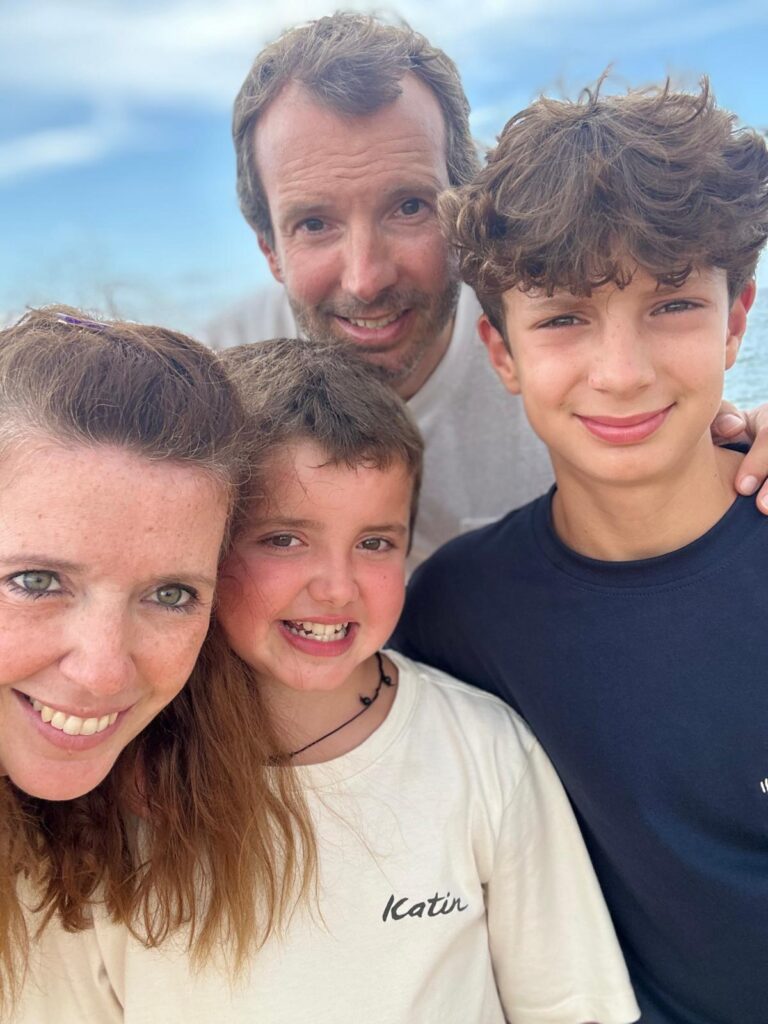
Yet Caroline and her husband made a conscious decision from the very beginning: they would not let the disease define their family. “We never wanted to be the family with a child who has Duchenne muscular dystrophy. We have always tried not to make it the central focus of our daily lives. We always told Guillaume not to worry about the things he couldn’t do. Whatever he wanted to do, he would always find a way to do it, one way or another.”
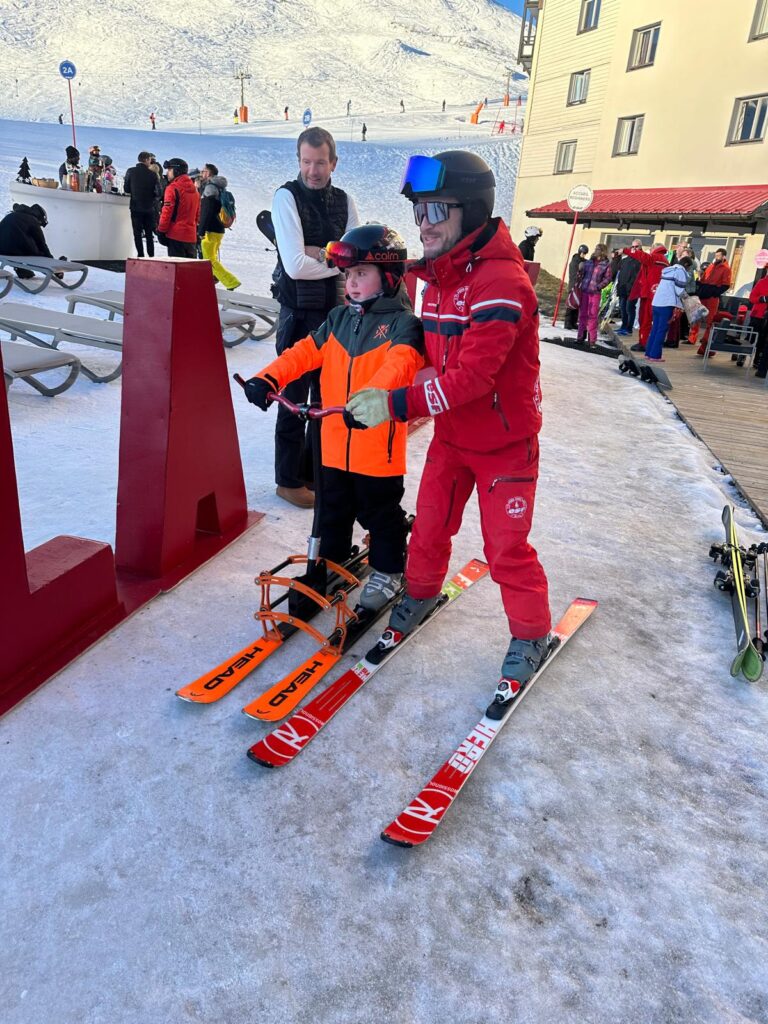
So they travel, explore and try new experiences. Last summer, the family even went canyoning in Colombia. They had to adapt, find solutions and rethink certain activities. One possibility, for instance, is trotti-ski, which would allow Guillaume to go down the slopes and enjoy the thrill of gliding too. But this philosophy is increasingly coming up against the reality of the disease. Guillaume is beginning to face the loss of abilities he once took for granted, such as riding a bike or writing. “That is probably the hardest thing for me now: having to tell him that he can no longer do certain things. Until now, we always found a solution. But today, he doesn’t want anything that makes him different from the others. And I completely understand that!”
To help them stay the course, Caroline and her husband can rely on their loved ones. Together, they also founded the Guihope Foundation, which raises funds to help Guillaume adapt his daily life to his needs and support research into Duchenne muscular dystrophy. They have also learned not to face medical appointments alone. “At first, we always went together. But we would come out completely devastated. Neither of us was able to support the other. Today, we try to have someone accompany us, particularly his godfather, who is very involved.”
Psychological support is another important consideration, especially as Guillaume grows older and becomes increasingly aware of his differences. “Sometimes he feels as though he is the one causing problems. That is heartbreaking, because he should never have to feel responsible for what his illness imposes on our family.”
Holding on to hope, even when answers are slow to come
Caroline keeps a close eye on developments in research, particularly in gene therapy and clinical trials. Some approaches offer hope for a more favourable progression of the disease and a better quality of life, but none yet provides a cure. “I have done an enormous amount of research and really allowed myself to believe in these developments. But I feel there is still a great deal of opacity surrounding what is actually happening in research. We are regularly told: ‘We’re this close!’ But in practical terms, we are still waiting…”
New medicines are now emerging in an attempt to preserve the motor abilities of children affected by the disease for longer. This is an encouraging development, even though Caroline knows that some treatments may come too late for Guillaume. “We haven’t pulled a rabbit out of the hat for him just yet. Some of these breakthroughs will probably come too late for Guillaume. But that doesn’t mean we should stop believing. Today, we can still do something to improve his quality of life, and that is already essential.”
What does she wish for above all else? For her son to be happy. “Of course, I would love him to be cured. But above all, I wish life could be easier for him. Everything takes so much effort. I wish he could do things without constantly having to fight.”
Fortunately, there are moments of light-heartedness, too. Like when Guillaume jokes that his illness gives him “aura”. It is his own way of gaining a little perspective on what he is going through. Caroline also hopes for progress in screening, so that families can be informed earlier and receive better support from the moment of diagnosis. Duchenne muscular dystrophy affects an estimated one in every 3,500 to 5,000 boys. It is a rare disease, certainly, but one that affects far more families than we might imagine.
While waiting for further breakthroughs, Caroline continues to believe in research. For Guillaume, for his brother and for all the families affected. This is also the very reason GENeHOPE exists: to support genetic research and help create new prospects for people living with genetic conditions.