Through the story of her son Igor, geneticist Daphné t’Kint shares how recent advances in research are now opening the way to new therapeutic perspectives.
Igor was born in 2013, one year after his big sister. A beautiful baby weighing 3.8 kilos. A smooth pregnancy, an uncomplicated delivery. Nothing suggested that, just a few hours later, everything would change. And yet, only hours after his birth, Igor suddenly stopped breathing. The apneas repeated. He was hospitalized in the neonatal unit for several days. No clear diagnosis. Just a deep, growing worry settling in the heart of this mother, herself a physician.
Coming home brought no relief. Very quickly, a maternal intuition imposed itself, persistent, almost painful: Igor was “different.” His gaze did not follow. His reactions were atypical. But she was reassured. Too anxious. Too medical. Too vigilant.
Until the day a second opinion confirmed the obvious: developmental delay and a rare form of neonatal epilepsy. No precise name. No instructions. Just a succession of appointments, tests, silences, and half-finished sentences: “Maybe he won’t walk. Maybe he will never play football in the schoolyard. Maybe he won’t go to Harvard…”
The hardest part: a succession of “small losses”
What follows is what Daphné considers the most difficult part of disability: “this succession of small losses.” The ordinary dreams we have for our children gradually fade away, one after another. And yet, life goes on. You learn to move forward, day after day, to reinvent yourself, to love differently. To marvel at what truly matters. Up to the point of also preparing for the “after-you” and adulthood, which Daphné, along with Igor’s father, François de Borchgrave, ensures for him through the creation of the nonprofit Tous Ensemble, a residence for adults with severe multiple disabilities that they opened in Uccle in March 2025.
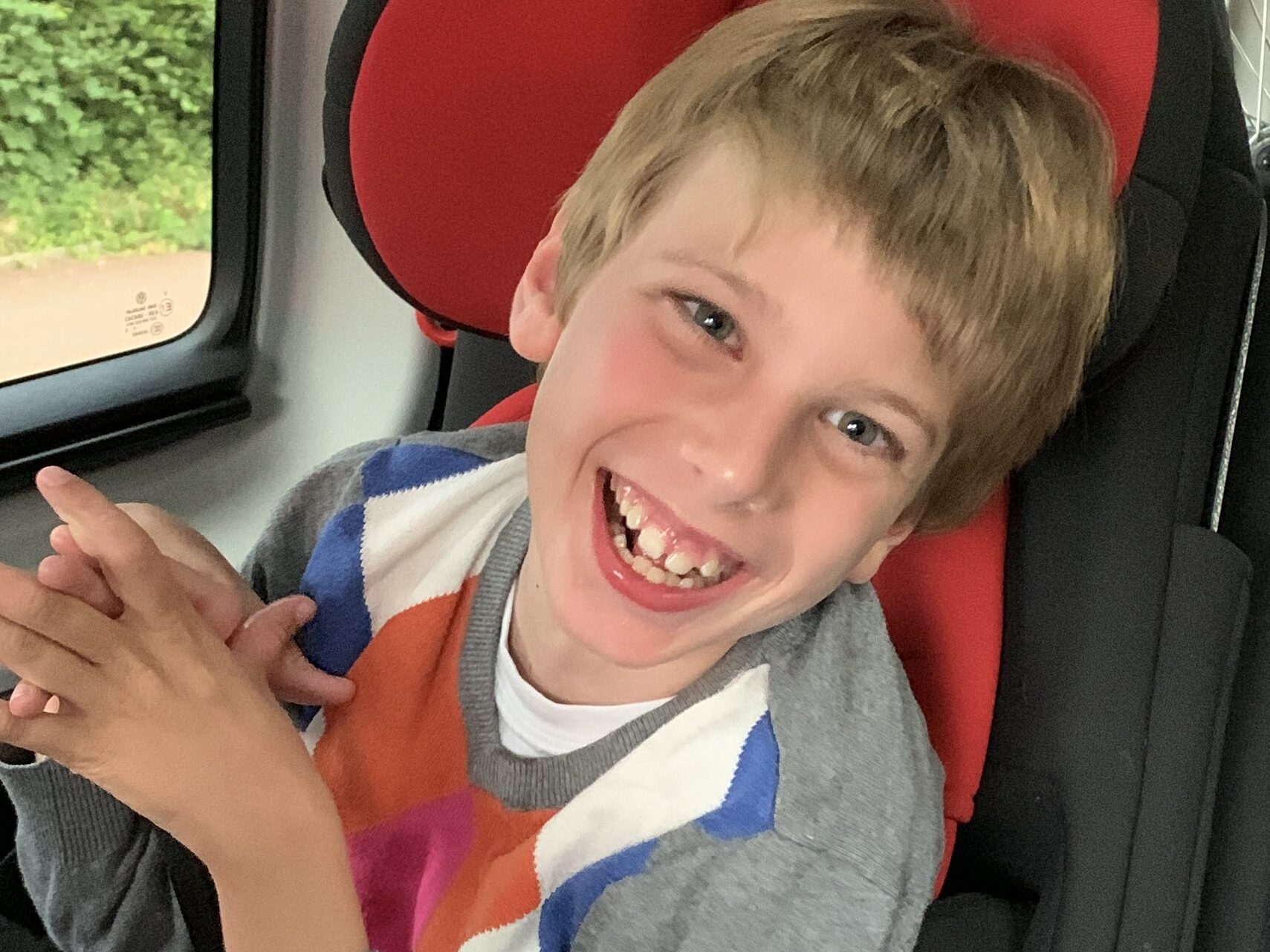
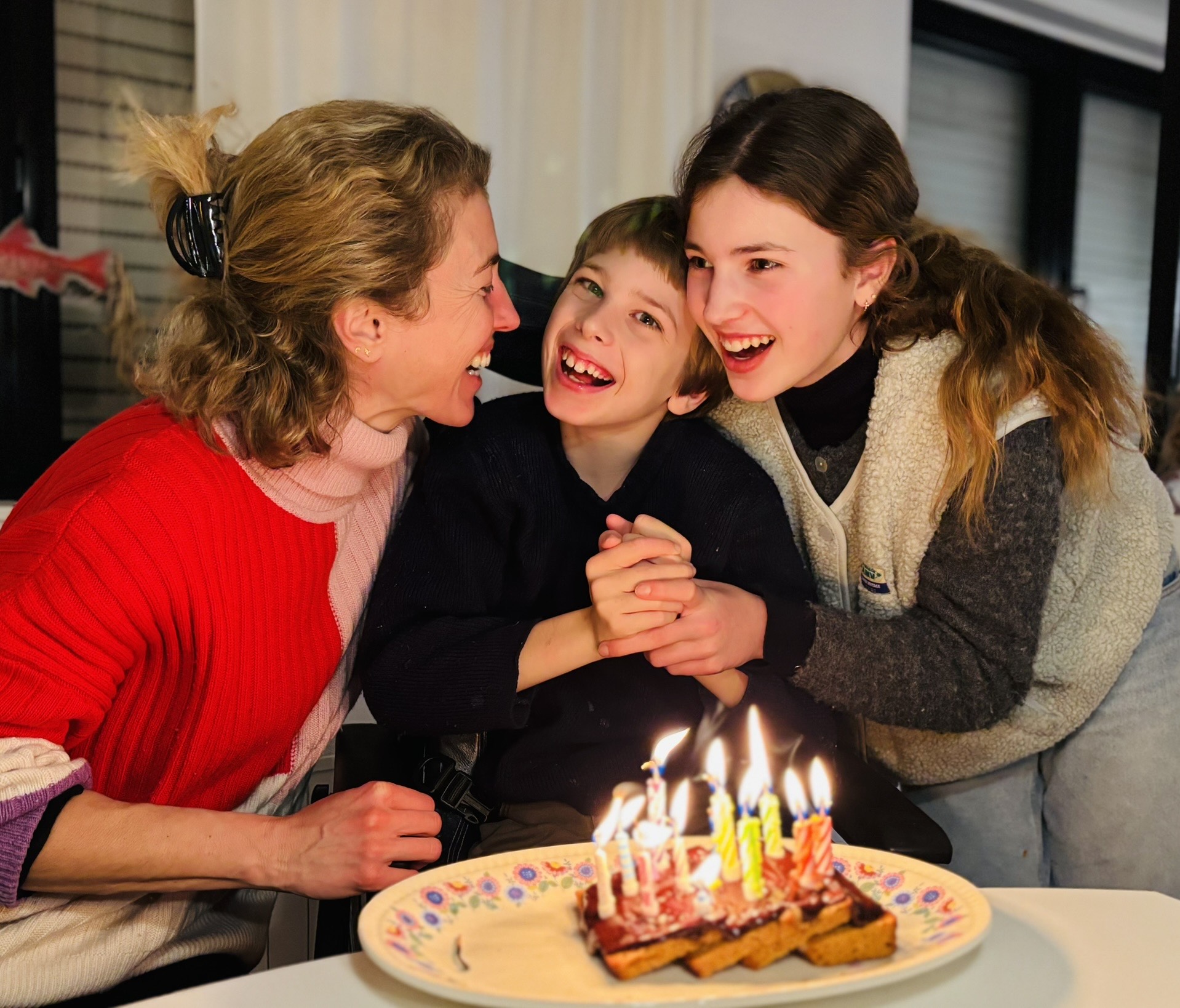
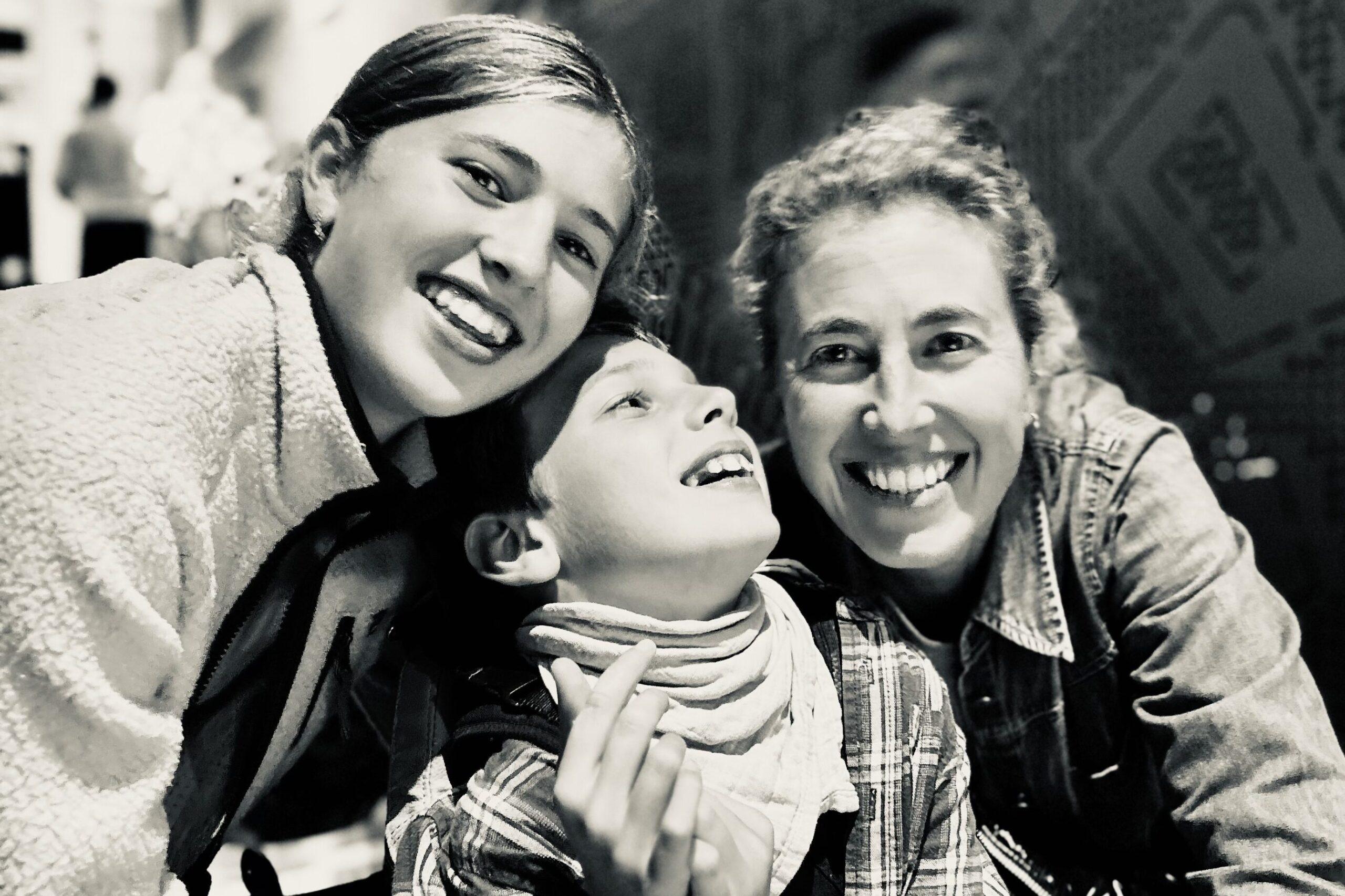
Today, Igor is 12 years old. He does not walk. He does not speak. He is entirely dependent. A molded seat, braces on his arms and legs, and a wheelchair shape his daily life. But Igor laughs. Igor smiles. He communicates through gestures, glances, and enthusiastic clapping. He loves shows, movement, and the presence of people around him. “He is extremely happy,” his mother says, her voice filled with emotion.
For years, Daphné and François, searched. Exome sequencing in Belgium, in Cambridge (UK), extensive genetic analyses… Nothing. No diagnosis. Just this vague “manufacturing glitch somewhere,” which one eventually accepts for lack of anything better.
Until 2021.
2021: a name, four letters, for a disease
Almost by chance, during a dinner, François heard about a new research project at the University Hospital of Leuven (Belgium). With little hope, but determined to go all the way (and to understand, also for their daughter Cléo, so that she might one day confidently consider having children), the family agreed to take part in the study. And then, four months later, the phone rang. The researchers had identified that Igor suffers from HPDL deficiency, a rare metabolic disease of genetic origin, discovered that very same year. An enzymatic defect that prevents the normal production of coenzyme Q10 in the brain. An explanation. A name. A key. At last.
This moment marked a turning point. Not only did it put an end to years of diagnostic wandering, but above all, it opened up a new horizon: therapeutic research.
Igor then began treatment with coenzyme Q10 supplements. The effects were modest, but hope was reborn. More recently, however, a major study published in the prestigious scientific journal Nature has transformed the outlook: mice carrying the same deficiency showed spectacular improvement thanks to an innovative molecule capable of crossing the blood–brain barrier. A first child treated in New York has seen remarkable improvement.
For Daphné, this represents a concrete promise. A real chance. Perhaps not to cure Igor (“the brain damage is already there…”) but to ease his spasticity and improve his comfort and quality of life.
“Every day that passes without this treatment is a lost day,” she confides. Because in the world of rare diseases, time is precious. And administrative burdens, regulatory delays, can sometimes cost invaluable opportunities.
Igor’s story is that of thousands of children affected by rare genetic diseases, children whose journeys often remain in the shadows. It reminds us how vital scientific research is, not only to understand, but to tangibly transform lives.
At GENeHOPE, we deeply believe that every breakthrough, every project, every study carries within it a promise: to make possible what once seemed unimaginable.
Igor may never walk. But thanks to science, he may live better. Smile longer. And that alone is already immense.